Address
304 North Cardinal
St. Dorchester Center, MA 02124
Work Hours
Monday to Friday: 7AM - 7PM
Weekend: 10AM - 5PM
Address
304 North Cardinal
St. Dorchester Center, MA 02124
Work Hours
Monday to Friday: 7AM - 7PM
Weekend: 10AM - 5PM
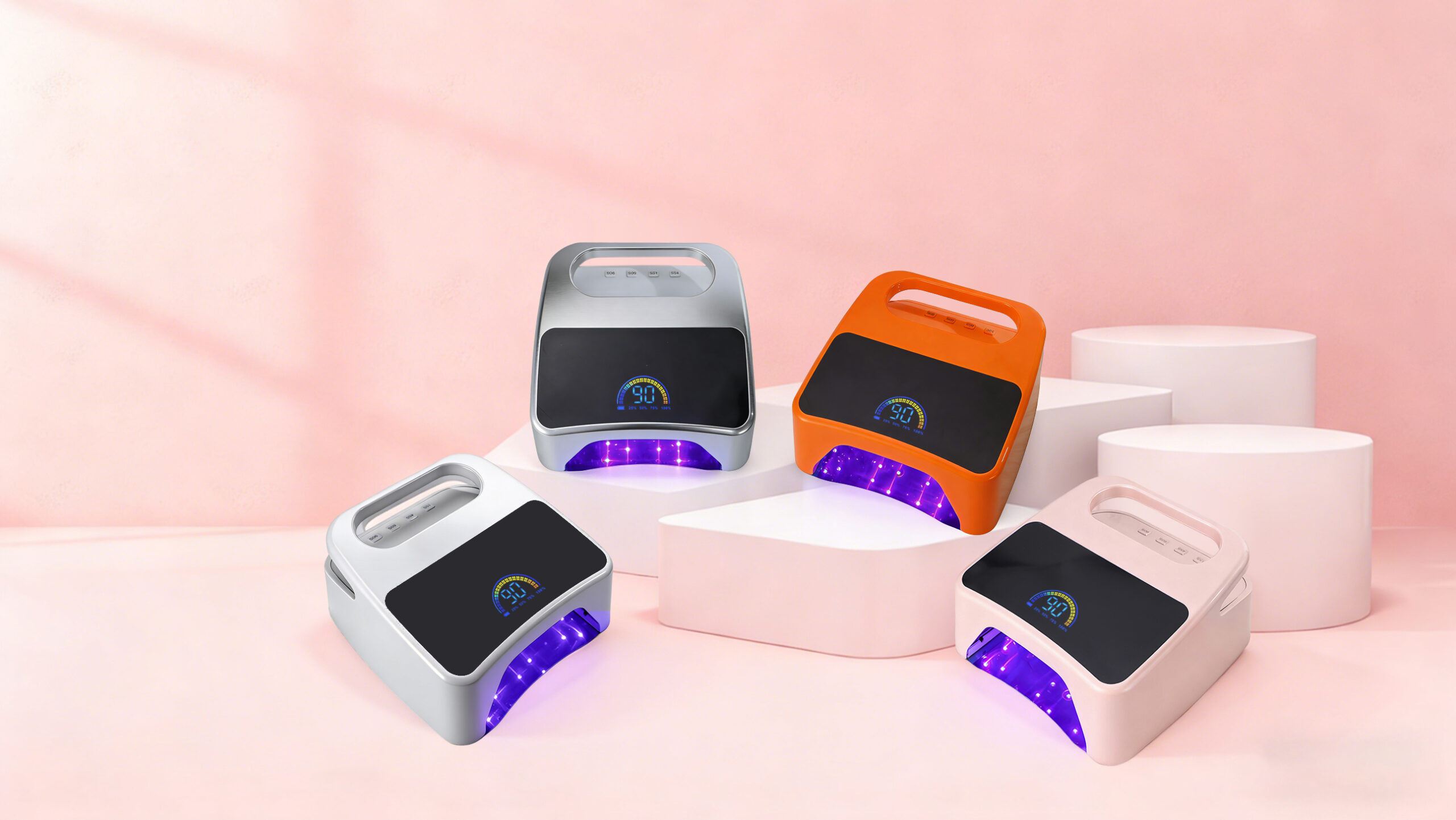
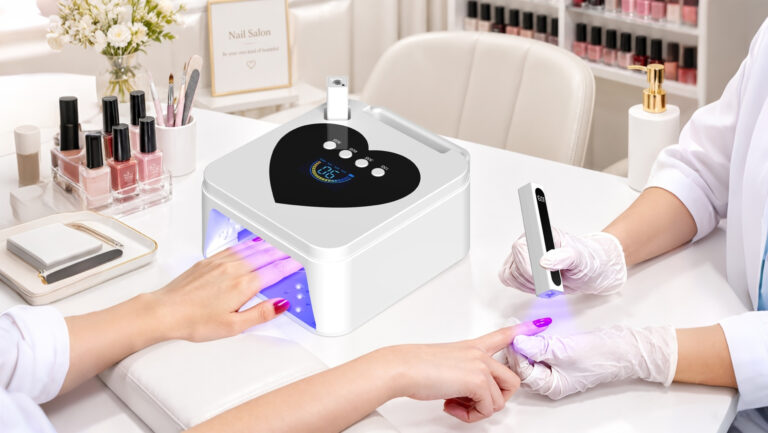
If you are doing gel nails at home or working as a professional nail technician, a nail lamp is one of the most important tools you will use. The quality of your nail lamp directly affects how well your gel polish cures and how long your manicure lasts. Choosing the right device and using it correctly can significantly improve your results and efficiency.
This guide will help you understand how nail lamps work, how to choose the best one for your needs, and how to use and maintain it properly for the best performance.
Before choosing a nail lamp, it is important to understand how it works. A nail lamp uses specific light wavelengths, typically 365nm or 405nm, to cure gel polish through a photochemical reaction. This process hardens the gel and locks it in place, creating a durable and glossy finish.
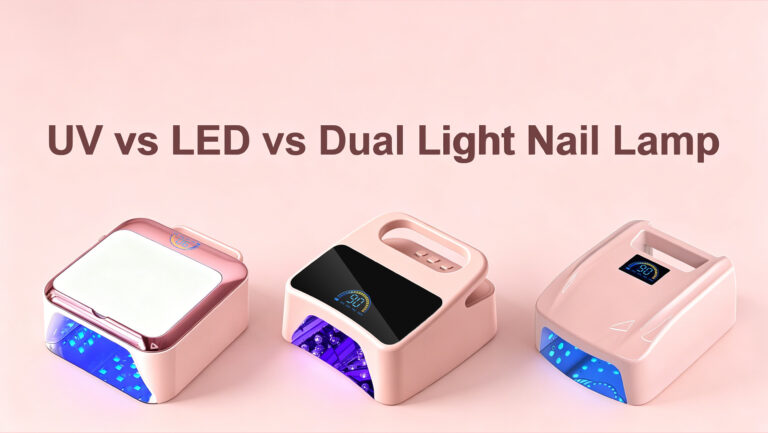
There are three main types of nail lamps: UV lamps, LED lamps, and UV/LED dual-light lamps. UV lamps are compatible with most gel types but cure more slowly and require regular bulb replacement. LED lamps cure faster, last longer, and are more energy-efficient, making them widely used today.
UV/LED dual-light lamps combine both technologies, allowing them to cure almost all types of gel polish. As a result, they have become the most popular choice for both home users and professional nail salons.
When selecting a nail lamp, you should first consider your usage scenario. If you are a home user, a compact lamp with 24W to 48W power is usually sufficient. If you are a professional nail technician, a higher-wattage model such as 72W or above is recommended for faster and more stable performance.
You also need to consider the type of gel polish you use. Some gels are formulated for LED lamps only, while others require UV compatibility or a UV/LED dual-light system. Using an incompatible lamp may result in under-curing, leading to lifting or a sticky finish.
Built-in features also play an important role in daily use. Functions such as an auto sensor, timer settings (30s, 60s, 90s), and low-heat mode can greatly improve your experience. These features make curing more convenient, comfortable, and beginner-friendly.
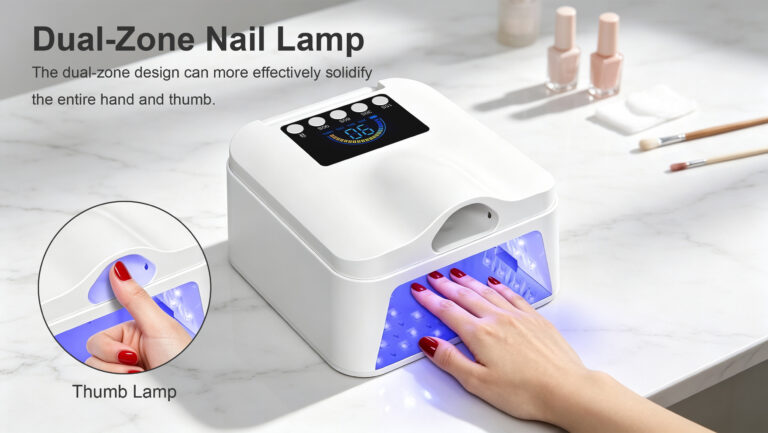
Design is another key factor. A lamp with evenly distributed LED beads ensures consistent curing and prevents dead zones. A removable base is also highly practical for both manicure and pedicure use, increasing overall versatility.
To achieve the best results, always apply gel polish in thin, even layers. Thick layers may appear cured on the surface but remain uncured underneath, which can reduce durability and cause lifting. Multiple thin layers consistently deliver better performance.
During curing, keep your hand flat and stable inside the lamp. This ensures that all nails are evenly exposed to the light source. Incorrect positioning may result in uneven curing or partially uncured areas.
You should also follow the recommended curing times for each layer. In most cases, the base coat requires around 30 seconds, the color gel about 60 seconds, and the top coat around 60 seconds. However, curing times may vary depending on the brand, so always refer to product instructions.
Proper maintenance helps extend the lifespan of your nail lamp. Regularly clean both the interior and exterior surfaces to prevent dust buildup, which can reduce curing efficiency. Use a soft dry cloth or a small amount of alcohol, and avoid allowing any liquid to enter the device.
Avoid using the lamp continuously for long periods, especially high-wattage models. Excessive heat can reduce LED lifespan and affect long-term performance. Allowing short cooling intervals helps maintain stable operation.
When not in use, store your nail lamp in a dry, safe environment. Keep it away from moisture, pressure, and accidental drops to ensure long-term reliability.
If your gel polish is not curing properly, check three key factors: lamp wattage, curing time, and wavelength compatibility. In most cases, curing issues are caused by one of these factors.
It is also important to understand that a higher price does not always mean better performance. The best nail lamp depends on your specific usage needs and gel compatibility rather than price alone.
If you are using an LED lamp but the gel still does not cure, the gel may require UV or UV/LED dual-light compatibility. Always ensure your lamp matches your gel type.
Choosing the right nail lamp is essential for achieving professional-quality results. You should evaluate wattage, light source type, usage scenario, and functional features before making a decision. A well-matched nail lamp will improve both efficiency and manicure durability.
Equally important is proper usage and regular maintenance. When you apply gel correctly and care for your device properly, you can consistently achieve smooth, long-lasting, salon-grade results.
Once you understand these key principles, you can confidently choose the right nail lamp and elevate your nail care experience.